

Waarom vrouwelijke leidinggevenden met meer stress te maken hebben en wat de cijfers hierover zeggen
In een recent artikel in Forbes wordt duidelijk aangetoond dat vrouwen op het werk meer betrokkenheid tonen, maar ook vaker last hebben van burn-out dan mannen. Enquêtes van Gallup, McKinsey, Deloitte en Pew wijzen allemaal op dezelfde trend: vrouwen, en met name vrouwen in leidinggevende functies, voelen zich meer gestrest en uitgeput, ook al blijven ze toegewijd aan hun werk. Het artikel merkt ook op dat zorgtaken buiten het werk deze druk nog vergroten.
In essentie wordt in dit artikel uitgelegd dat stress niet alleen voortkomt uit lange takenlijsten of strakke deadlines. Het komt voort uit de manier waarop het lichaam reageert op waargenomen bedreigingen. De zenuwstelsel stuurde die reacties aan: het verhoogt de hartslag, spant de spieren aan en zorgt voor een oppervlakkige ademhaling wanneer het gevaar waarneemt. Problemen op de moderne werkplek roepen dezelfde biologische reacties op waarvoor ons lichaam in de loop van de evolutie is toegerust om fysiek gevaar het hoofd te bieden, waardoor het moeilijker wordt om helder te denken en rustige beslissingen te nemen.
Het artikel biedt drie praktische strategieën die leidinggevenden kunnen toepassen om die reacties te verminderen: herken en benoem de fysieke stress en emoties, oefen met het aannemen van kleine gebaren van hulp zonder deze te bagatelliseren, en sluit de dag af door stil te staan bij concrete manieren waarop je goed voor de dag bent gekomen. Deze stappen zijn gebaseerd op eenvoudige, herhaalbare handelingen die de hersenen helpen om van een reactieve overlevingsmodus over te schakelen naar helderder denken, waardoor het risico op een burn-out op termijn afneemt.
Hoe dit de prioriteiten op het gebied van stressbeheersing voor drukbezette professionals verandert
Voor iemand die met stress wil omgaan, is de belangrijkste les dat hulpmiddelen zowel op het lichaam als op de geest moeten inwerken. Traditioneel advies zoals “prioriteer taken” of “slaap meer” blijft nuttig, maar het artikel pleit voor een ander uitgangspunt: breng eerst je fysiologie in balans. Wanneer het zenuwstelsel tot rust komt, keren concentratie, besluitvorming en geduld veel sneller terug dan wanneer je alleen de takenlijst aanpakt.
Deze focus brengt een paar veranderingen teweeg in je dagelijkse routine. Ten eerste: bouw een korte fysieke check-in in je routine in vlak voor belangrijke momenten. Ten tweede: beschouw het aannemen van hulp als een vaardigheid die je kunt oefenen, niet als een luxe. Hiervoor heb je geen dure coaching of langdurige programma’s nodig; het zijn microgewoontes die je kunt herhalen. In de loop van enkele weken helpen ze je hersenen te herprogrammeren, zodat het ontvangen van steun of het benoemen van gevoelens wordt gekoppeld aan veiligheid in plaats van aan een bedreiging.
Let op twee waarschuwingssignalen: chronische spierspanning en het stelselmatig afwijzen van hulp. Als je een van beide opmerkt, pas je aanpak dan onmiddellijk aan. Stijve schouders die nooit ontspannen en de gewoonte om te zeggen “Ik red me wel”, zelfs als je overbelast bent, betekenen dat je zenuwstelsel ervan uitgaat dat zelfredzaamheid gelijk staat aan veiligheid. Om die aanname te veranderen zijn eenvoudige, consequente acties nodig – precies wat de drie strategieën beogen te bereiken.
Praktische manieren om stress te verminderen die leidinggevenden vandaag nog kunnen toepassen
Deze snelle, herhaalbare oefeningen passen prima in een drukke agenda en zijn bedoeld om je lichaam tot rust te brengen, steun te accepteren en het gevoel te versterken dat je gezien wordt.
- Noem het gevoel — Neem even de tijd om hardop of in gedachten te zeggen waar je stress voelt (borst, keel, buik) en geef het een naam, zoals “woede” of “zorgen”; door gevoelens onder woorden te brengen, helpt je je hersenen om van een automatische reactie over te schakelen naar bewust nadenken.
- 60 seconden ademhalingsoefening — Adem een minuut lang langzaam in de gespannen plek, waarbij je vier tellen inademt en zes tellen uitademt; die kleine verandering geeft je zenuwstelsel een gevoel van veiligheid en zorgt er vaak voor dat je hartslag en de spanning afnemen.
- Accepteer één klein ding — Zeg “dank je wel” als je een compliment krijgt, laat iemand een taak van je overnemen of ga akkoord met een nieuwe afspraak; let op hoe je lichaam reageert en probeer een paar seconden bij dat positieve gevoel te blijven om te bevestigen dat het veilig is om iets aan te nemen.
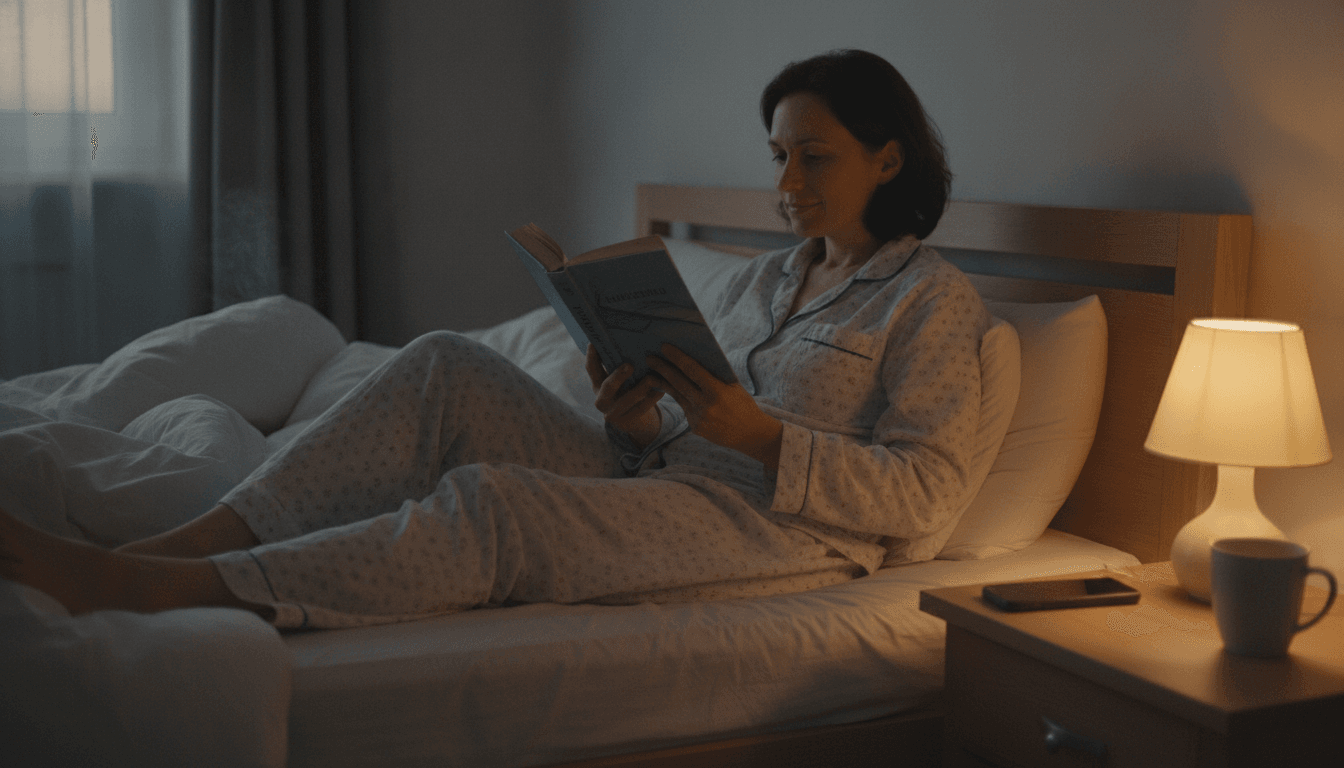
- Zelfreflectie aan het einde van de dag — Noem elke avond drie concrete manieren waarop je de dag goed hebt doorgebracht, hoe klein ook; deze gewoonte zorgt ervoor dat je steeds meer het gevoel krijgt dat je het aankunt en vermindert het gevoel van eenzaamheid dat ontstaat doordat je je voortdurend op de buitenwereld richt.
- Laat één ritueel over aan iemand anders — Kies deze week één terugkerende taak uit om uit te besteden, al is het maar tijdelijk; door taken te delegeren houd je energie over voor het nemen van beslissingen en geef je je zenuwstelsel echt even rust, zodat je de volgende dag weer helderder aan de slag kunt.
Disclaimer: Dit artikel dient alleen ter informatie en is geen vervanging voor professioneel medisch advies. Vraag altijd je arts om advies bij vragen over een medische aandoening.