




Why touch and sound are the new quick stress fixes
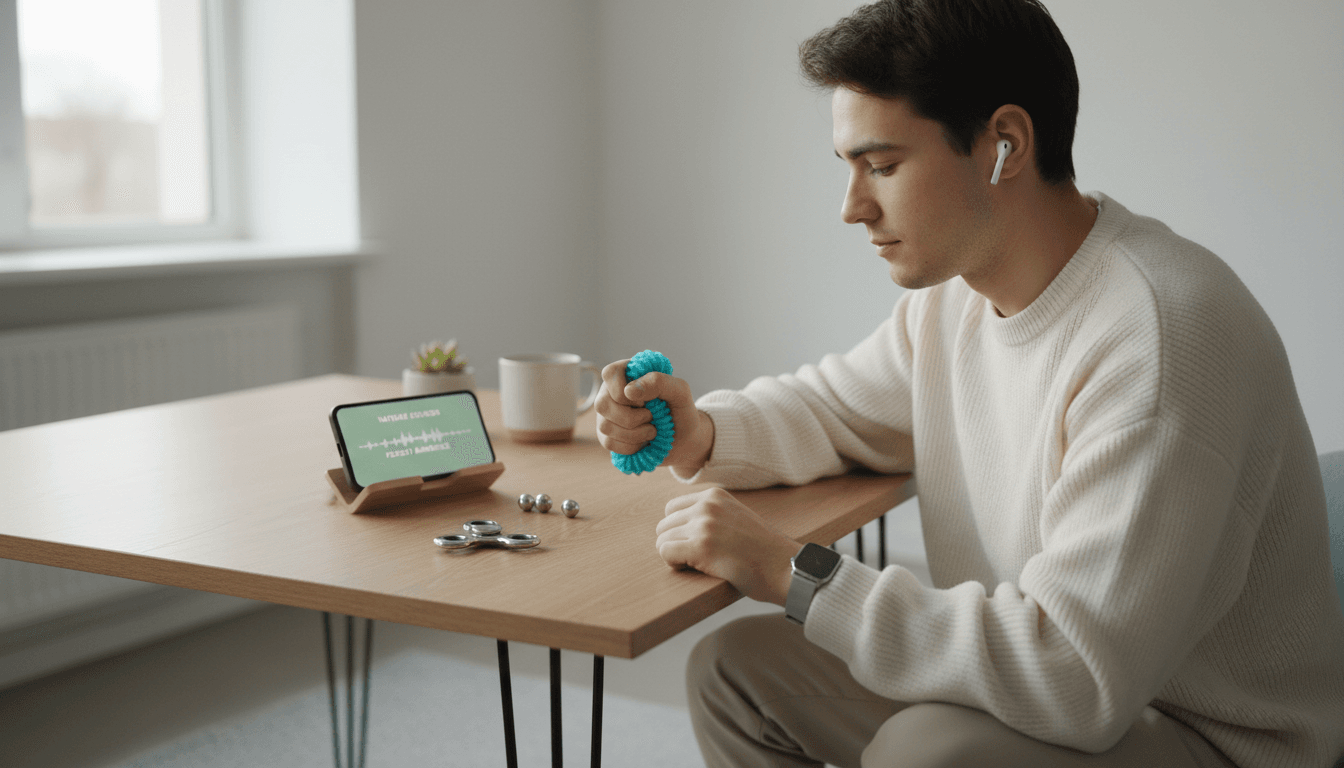
A recent article from a tech and health outlet reports that many young people now use tactile toys and short audio tracks to manage stress throughout the day. These tools—fidget toys like squishy balls, wax beads, or pressable keycaps, plus audio content such as ASMR, nature sounds, and white noise—give users a rapid way to shift attention away from racing thoughts without needing a long break or special space.
Fidget toys provide a hands-on focus: pressing, rubbing, or popping delivers immediate sensory feedback through touch and sometimes sound. ASMR and other sound-based content work the same way for the ears, offering repetitive, calming noises that help slow the mind. For people who struggle to set aside long periods for formal relaxation, these sensory methods act as brief resets you can use while standing in line, at your desk, or before sleep.
Research and usage statistics suggest these tools help some people lower tension and calm their minds, but they don’t work for everyone. Responses to sensory input vary: some users show reduced heart rate and report feeling calmer, while others feel no benefit or even irritation. Because of that variation, these methods work best as short-term self-care tactics rather than replacements for professional help when anxiety, depression, or sleep problems are persistent or interfere with daily life.
What this trend means for your stress toolkit
Adding short sensory breaks changes how we think about daily stress management. If you often skip relaxation because you lack time, tactile and audio tools let you build tiny, effective breaks into the day. A 2–10 minute press-and-listen routine can interrupt rumination and reset attention, which helps reduce acute stress spikes and keeps you more effective across tasks.
That said, these tools do not replace core practices like sleep hygiene, regular exercise, healthy eating, and professional treatment when needed. Use sensory tools with intention: pick a goal (calm down, fall asleep, refocus) and choose a specific stimulus that fits that goal. Pay attention to whether the tool truly reduces stress or just distracts you from problems that need action—if the latter, move from short resets to problem-solving steps or seek professional advice.
Watch for two common pitfalls. First, not all sensory input is soothing—loud or highly textured sounds can irritate some people. Second, reliance on quick fixes can mask unresolved stressors. If you notice anxiety, mood shifts, or sleep disruption continue despite repeated sensory breaks, treat that as a sign to consult a clinician rather than increasing toy or audio use.
Quick sensory resets you can use right now
Small, structured practices make it easy to use touch and sound without disrupting your day.
- Two-minute fingertip press — Hold a small squishy ball or a soft fidget and press it slowly for two minutes, focusing on pressure, texture, and the way it returns to shape to bring your attention back to the present.
- Five-minute earbud pause — Put in earbuds and listen to a calm nature track or soft white noise for five minutes with your eyes closed to reduce mental clutter before a meeting or study session.
- Controlled tapping — Tap a keycap or click stone at a steady tempo for 60–90 seconds to use rhythm as an anchor when your thoughts race; keep the tempo relaxed, not hurried.
- ASMR wind-down — If you use audio to fall asleep, pick a low-volume, repetitive sound and set a 20–40 minute timer so your brain associates the sound with rest but you avoid staying awake listening for hours.
- Sensory check-in — After each short session, pause and rate your mood on a scale of 1–5; if you don’t improve after a week of regular practice, plan a next step like talking to a counselor or adjusting routines.
Disclaimer: This article is for informational purposes only and is not a substitute for professional medical advice. Always seek your doctor’s advice with any questions about a medical condition.