Seven minutes of VR that actually calms exam nerves
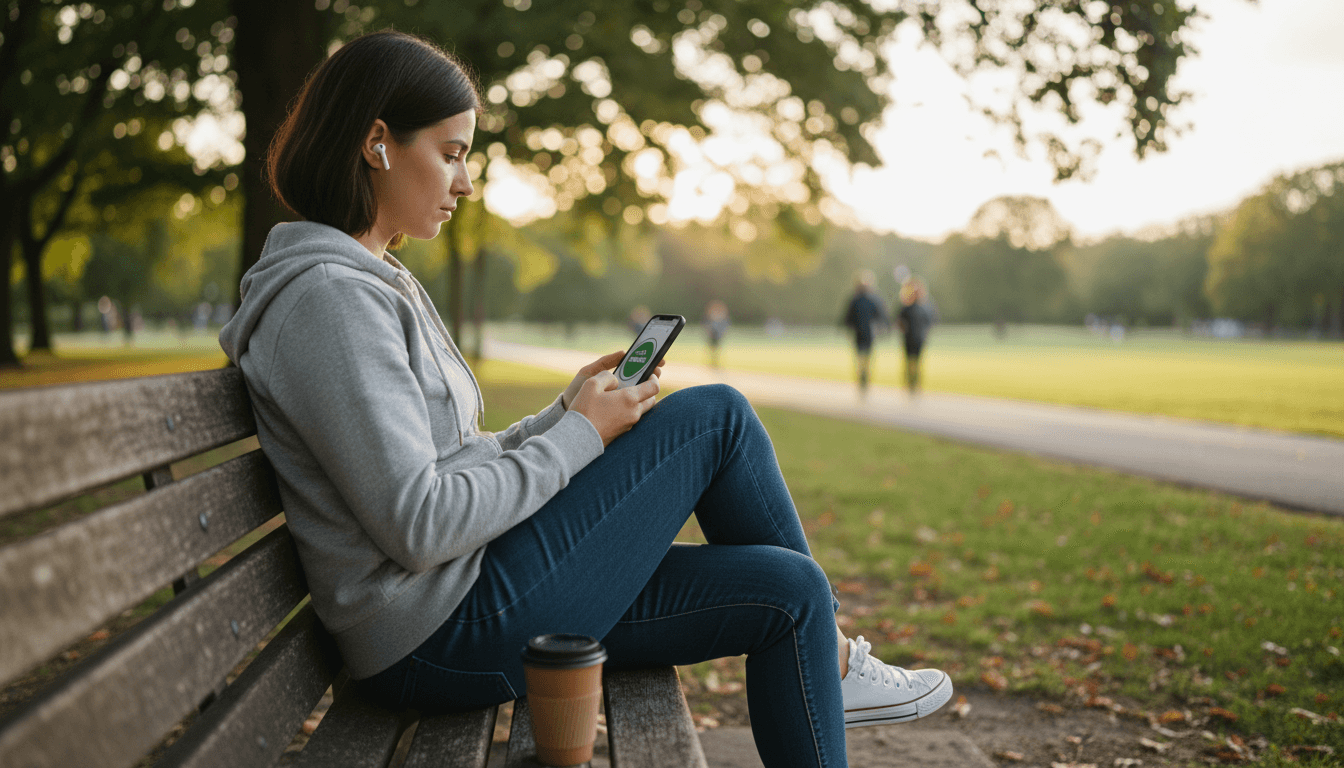
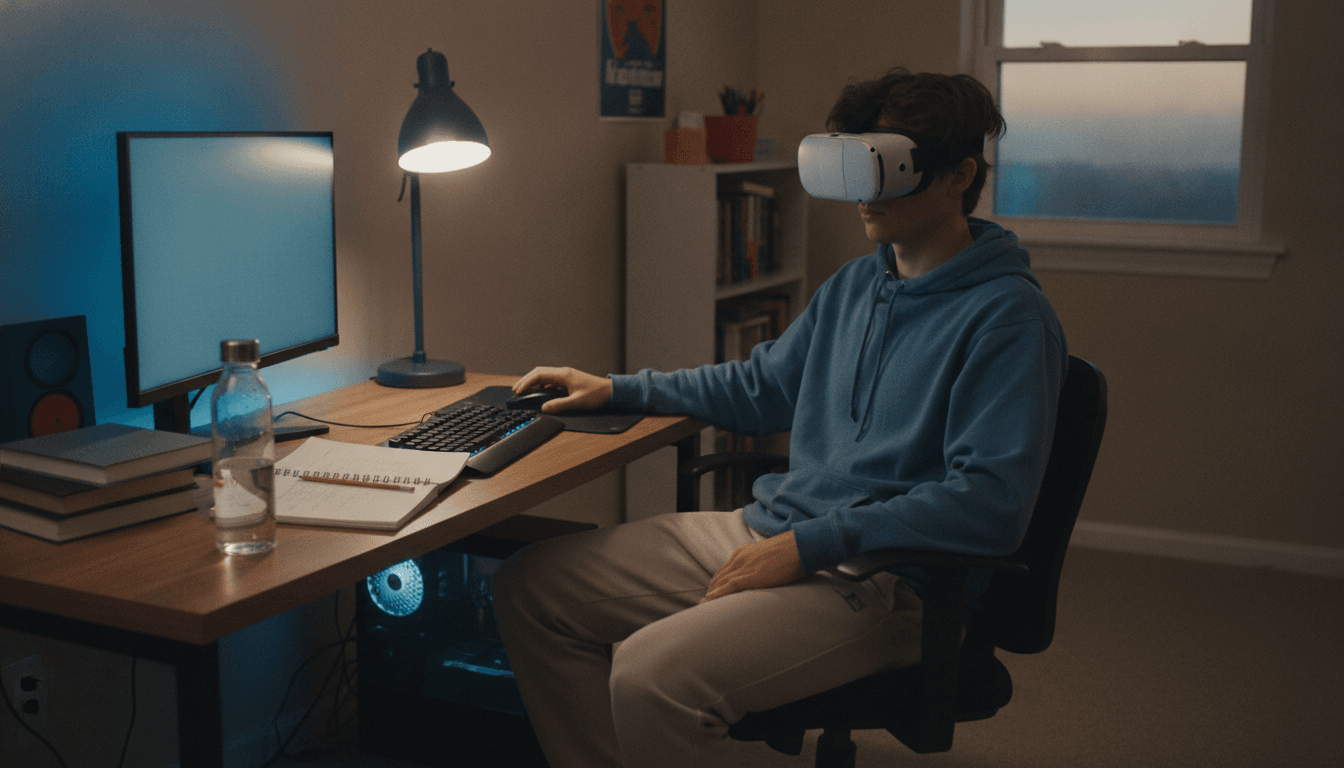
A recent article from City St George’s reports that a short, seven-minute virtual reality (VR) program helped students feel calmer and less anxious during a trial. The VR sessions combined simple stress-management tools — like paced breathing, guided visualization, and quick coping strategies — with immersive sound and visuals to help users switch their attention away from worry and toward calm. The study compared students using a VR headset with others watching the same content on a smartphone.
The trial involved 131 healthcare students who completed one session a day for five days. Both groups felt better after sessions, but the VR group showed bigger drops in immediate stress and anxiety and greater boosts to calm and happiness. Importantly, the VR group still reported lower perceived stress two weeks after the program ended, suggesting the short sessions can create effects that last beyond the moment.
Students who used the headsets described the sessions as a quick “reset” that helped them feel more focused, in control, and ready to study — some even reported better sleep and productivity afterward. Users also said the headset made them feel more immersed and there were no reports of motion sickness in this trial. The program was co-designed with students to make it feel practical and not like extra homework.
How this changes practical stress tools for students
For someone managing exam stress, this study suggests a short, repeatable tool can have real impact. Traditional tips like breathing exercises and visualization still matter, but delivering them inside an immersive VR space appears to amplify their effect. Immersion helps the brain drop out of the noisy thinking that fuels panic, so a brief, focused session can interrupt a spiraling thought pattern more reliably than a quick video on a phone.
That said, VR is not a universal fix. The study used a small, specific group of students and followed them for only two weeks, so we can’t assume long-term mental health changes or the same results in everyone. Use this kind of tool as part of a broader stress plan: regular sleep, realistic study schedules, social support, and professional help when anxiety feels overwhelming. Think of short VR sessions as a powerful reset button, not a replacement for therapy or medication when those are needed.
Practical hurdles matter too. Not every school or household can provide headsets, and some people may prefer phone or audio-only versions. If you’re trying this approach, watch for practical signs: does the session genuinely reduce your racing thoughts? Do you return to studying feeling clearer instead of dissociated? If it helps, integrate it into your routine before high-pressure moments — right before an exam, after a long study block, or during a late-night wind-down.
Quick, effective ways to build VR-style resets into study life
Use these realistic, short ideas to get the same calming benefits whether you have a headset or just a few minutes and a smartphone.
- Start with a single seven-minute reset — Block out one short session when tension peaks (before an exam or after a long study block). Short, focused resets are easier to keep doing than long routines.
- Use paced breathing to anchor attention — Try a simple 4-4-4 rhythm: inhale 4 seconds, hold 4 seconds, exhale 4 seconds. Pair this with quiet music or the guided audio from the session to lower heart rate and clear mental clutter.
- Create a consistent pre-study ritual — Do the reset, drink a glass of water, and write one clear task for the next 25–50 minutes of study. A short ritual signals your brain to switch from worry mode to focused mode.
- Simulate immersion without a headset — If you don’t have VR, use noise-cancelling headphones, dim the lights, and play the same guided audio or a calm visual on your screen to get similar focus benefits.
- Use the reset to protect sleep and focus — If late-night study leaves you wired, use a single short reset 30–60 minutes before bed to reduce alertness and help sleep onset; follow it with low-stimulation activities.
- Watch for when to seek more help — If short resets help but anxiety remains constant, make time to talk with a counselor or GP. These tools help manage symptoms but are not a substitute for professional care when anxiety disrupts daily life.
Disclaimer: This article is for informational purposes only and is not a substitute for professional medical advice. Always seek your doctor’s advice with any questions about a medical condition.
SOURCE: https://phys.org/news/2026-10-minute-virtual-reality-intervention-students.html