



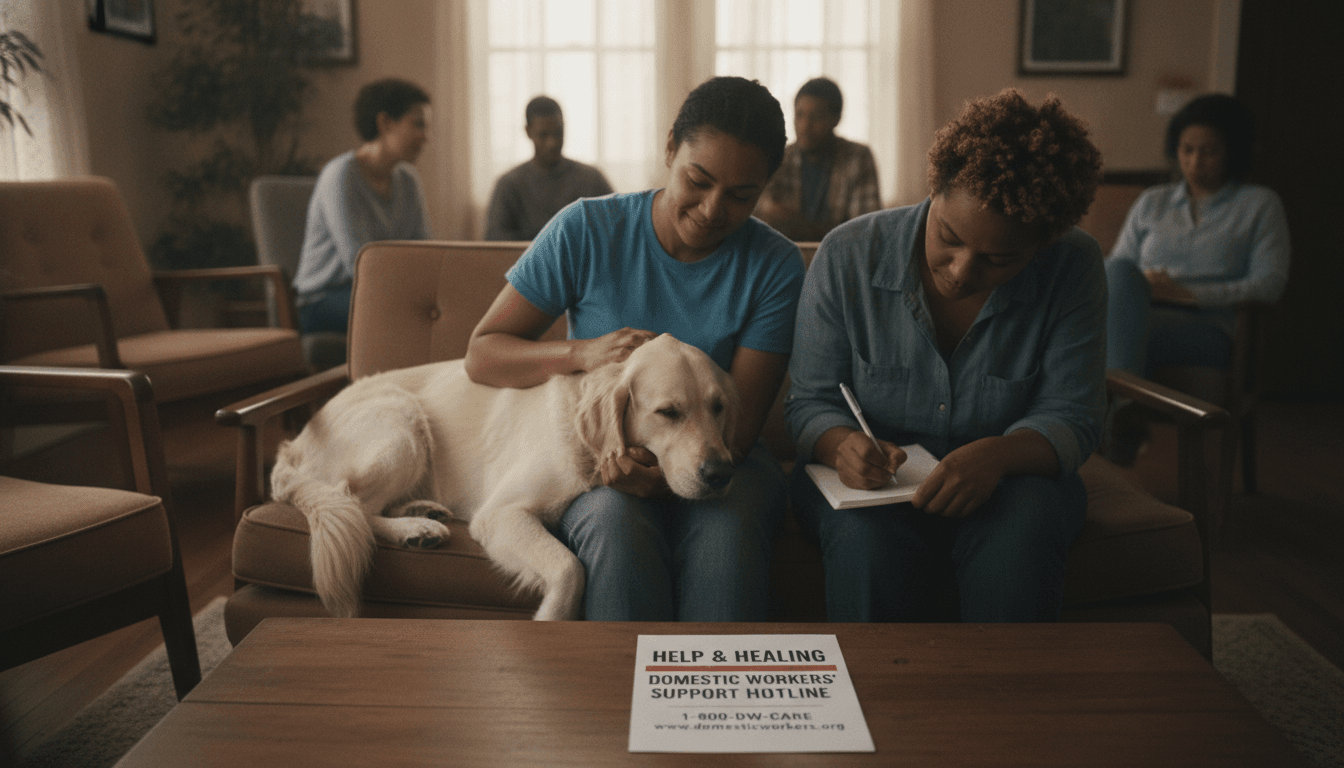

Stress relief through animals, group support and accessible help
A recent article from a Singapore news outlet described how a migrant domestic worker found relief from severe work-related stress through a mindfulness workshop that included animal therapy. The report focused on practical supports: group mindfulness sessions, simple tools like journalling and meditation, a network of helplines, and referral to professional counselling when needed. The piece showed how these services work together to catch people who are struggling and offer immediate emotional support.
The article used plain-language examples of stress symptoms that anyone can spot: trouble sleeping, loss of appetite or weight, and tearfulness when reminded of work problems. It also explained how animal therapy works in simple terms — holding or caring for a calm animal can ground your attention in the present, slow your breathing, and give a nonjudgmental way to express feelings. The story made clear that group settings can lower the barrier to opening up, and that confidentiality and a safe helpline encourage more people to reach out.
It listed local resources and helplines that connect callers to trained listeners and to referral counseling for deeper support. For readers focused on stress management, the main takeaway is not medical jargon but practical options: short mindfulness exercises, peer groups, talking to a trained worker on a helpline, and identifying physical signs of stress so help can arrive before problems escalate.
What this means for how we handle stress
First, the report reinforces that small, concrete supports matter. For someone managing stress, this means you don’t need a long clinic appointment to get help — a single group session, a short guided meditation, or contact with a helpline can reduce immediate distress and open the door to ongoing care. That changes best practices by putting more emphasis on low‑barrier, scalable supports rather than waiting for a crisis before acting.
Second, the article highlights the value of varied approaches: emotional expression through holding an animal, self-soothing techniques like breathing and journalling, and social approaches like peer groups. For personal stress management, that suggests using a toolkit rather than a single method. If meditation alone doesn’t help, try pairing it with music, light exercise, or a grounding object to get quicker relief.
Third, the account stresses the importance of confidentiality and clear access points. People avoid seeking help when they worry about consequences at work or home. To manage stress effectively, look for services that explicitly protect privacy and offer anonymous support, and pay attention to signs in yourself or others — changes in sleep, appetite, mood or energy — so you can reach out early. Employers and households can help too by creating more empathetic, predictable environments that reduce chronic stressors.
Simple, practical steps you can use today
Below are clear, realistic actions drawn from the article’s examples that anyone can apply to manage work-related stress.
- Use a short grounding practice — Spend one to three minutes noticing five things you can see, four you can touch, three you can hear, two you can smell, and one you can taste; this pulls attention away from worry and calms the nervous system fast.
- Try animal or object therapy if available — If you can access a supervised animal session or even a soft object, gently holding it while breathing slowly can reduce tension and make it easier to name emotions before they overwhelm you.
- Recognize physical stress signals — Watch for trouble sleeping, appetite changes, unexplained weight loss, or constant tiredness; these are practical signs that you should reach out for support rather than wait for things to get worse.
- Keep a two-line journal — At night, write one short sentence about what went well and one about what you want to change; this simple routine helps clear your mind and builds problem-solving without needing long therapy sessions.
- Have a quick-help plan — Make a list of trusted helplines, a local support group, and one calming activity (music, walking, baking) so you can act quickly when stress spikes; knowing the steps reduces panic and improves recovery.
Disclaimer: This article is for informational purposes only and is not a substitute for professional medical advice. Always seek your doctor’s advice with any questions about a medical condition.