



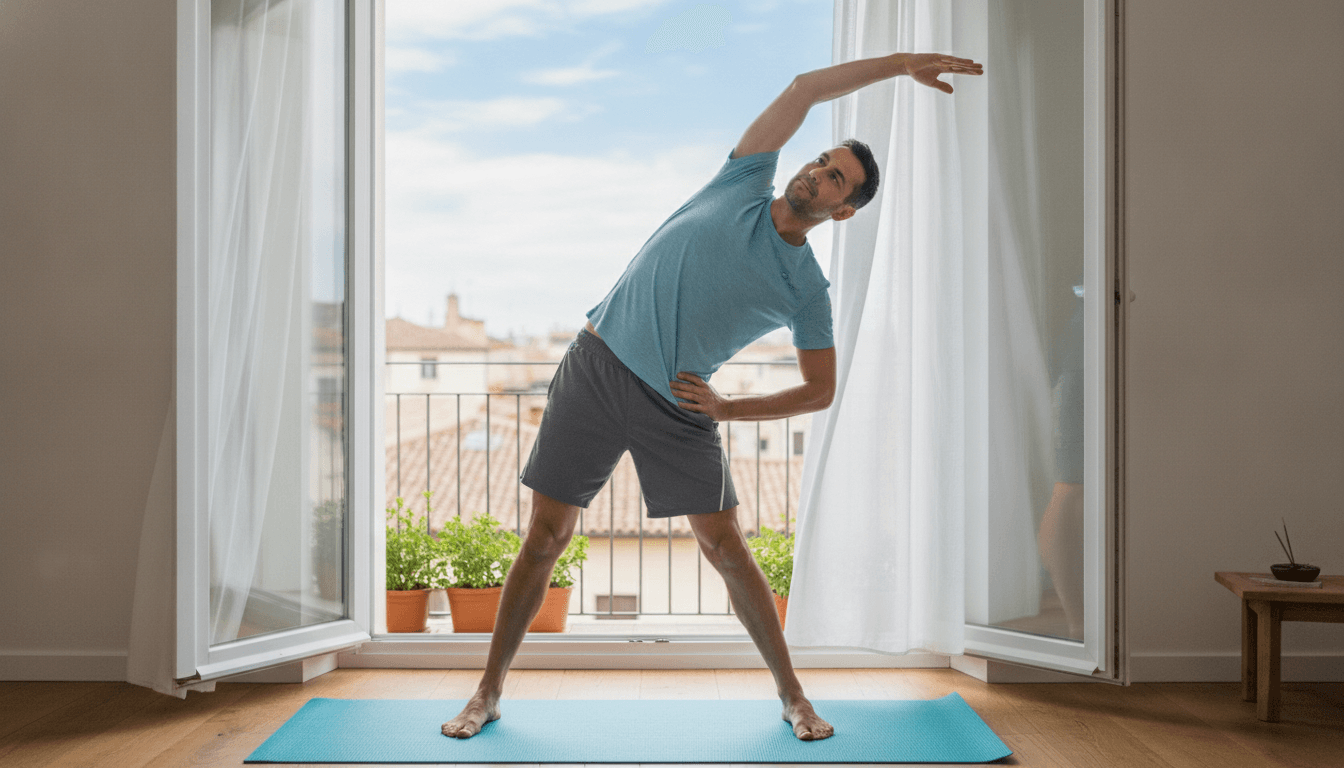

Yoga, stress, and men’s reproductive health — a quick overview
A recent article from the Journal of Medical Case Reports describes a 30-year-old man with long-term infertility who added a structured yoga program to his routine and saw both lower stress and measurable improvements in sperm health. He followed supervised sessions five days a week for six months that combined breathing exercises, meditation, and physical postures. Doctors measured semen quality, markers of chemical damage in the semen, and a standard quality-of-life score before and after the program.
The report used a few technical terms you might see in fertility reports: oligozoospermia means a low sperm count; oxidative stress refers to an imbalance of damaging molecules (free radicals) and the body’s defenses that can hurt sperm; and the DNA fragmentation index measures the amount of sperm DNA damage. In plain language, the yoga program coincided with more sperm, better movement of sperm, fewer abnormal shapes, lower chemical stress markers in the semen, and less sperm DNA damage. The man also scored higher on physical and psychological quality-of-life measures.
From a stress-management angle, the most relevant detail is that the patient worked in a high-stress, irregular job and reported heavy travel and disrupted routines. The yoga plan targeted the stress response with breath work and meditation while adding gentle physical activity. These changes link to known stress pathways — breathing and meditation calm the nervous system, movement improves circulation and metabolism, and better routines support sleep and recovery. The report describes a single-patient outcome, so it shows promise rather than proof, but it highlights how a mind-body practice can sit alongside other stress-reduction strategies.
What this implies for people trying to manage stress
For anyone managing stress, this report reinforces a simple idea: actions that lower stress hormones and improve daily routines often show up as real changes in the body. Yoga combines breathing, focused attention, and movement, and each of those elements affects the nervous system in ways stress-reduction programs use. If stress contributes to health problems you care about, adding targeted breathing and calm-focused movement can offer measurable benefits beyond how you feel.
Does this change clinical best practices? Not by itself. One positive outcome in a single person doesn’t replace medical guidance, but it does support recommending low-risk, accessible tools like yoga as part of a broader plan. Clinicians may feel more comfortable suggesting structured mind-body work alongside sleep hygiene, diet changes, reduced alcohol/tobacco use, and medical treatments when relevant. For stress managers, the practical takeaway is to prioritize consistency: the program in the report ran five days per week for six months, which suggests benefits tend to follow when you make the practice regular.
Pay attention to a few real-world points before you try something similar. First, supervision matters: the patient worked with a certified yoga therapist, which helps ensure correct breathing techniques and safe movement. Second, measure outcomes you care about — whether that means tracking mood, sleep quality, stress levels, or medical markers — so you know what changes. Third, treat yoga as part of a toolbox, not a single fix: manage sleep, limit substances that harm health, and check with your health provider about any medical issues that affect stress or reproductive function.
Simple yoga-based steps to reduce stress and support health
Small, repeatable habits make the biggest difference; try these focused actions and adjust them to your schedule.
- Five-minute morning breathing — Start each day with 5 minutes of slow, deep breathing (inhale for four counts, exhale for six) to lower immediate tension and set a calmer tone for the day.
- Short daily movement — Aim for 20–30 minutes of gentle yoga or brisk walking most days to help clear stress chemicals and improve blood flow.
- One-minute meditation breaks — During a busy day, pause three times for a one-minute focused attention practice: notice breath without judging thoughts to reset your nervous system.
- Evening wind-down routine — Create a 30–60 minute pre-sleep routine that includes light stretching, dim lights, and no screens to protect sleep and recovery.
- Work with a qualified instructor — If you have health concerns, learn techniques from a certified yoga therapist or instructor to avoid injury and get breathing methods right.
- Track one measurable outcome — Pick a simple metric like sleep hours, perceived stress score, or a lab measure your clinician recommends, and track it monthly to see real progress.
Disclaimer: This article is for informational purposes only and is not a substitute for professional medical advice. Always seek your doctor’s advice with any questions about a medical condition.