



Mindfulness with a Tech Assist for Older Adults
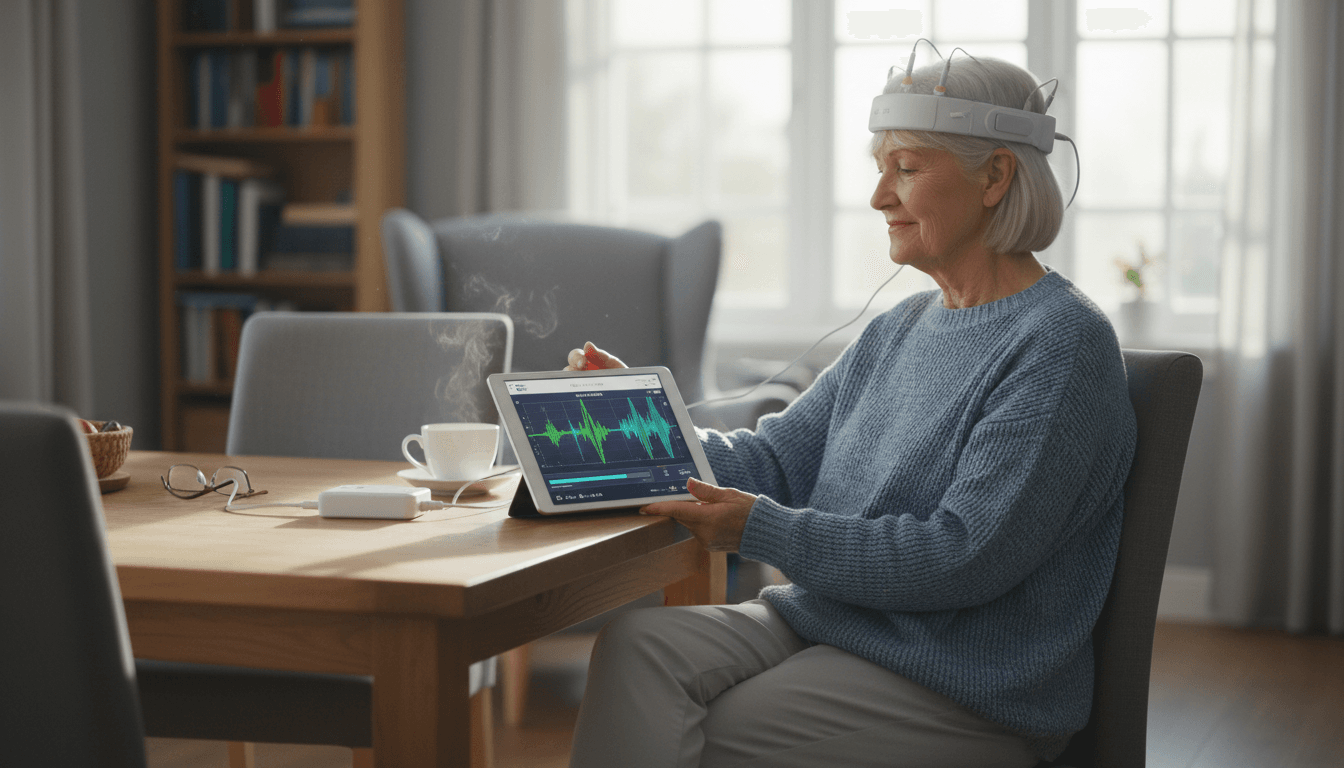
A recent article from Psychiatry Advisor described a study testing a digital mindfulness program called the FocusZen Mindfulness Stress Reduction System in people with late-life depression (LLD). The program pairs short guided mindfulness sessions with an electroencephalogram (EEG) device that gives feedback about brain activity. An EEG is a simple, noninvasive sensor that reads tiny electrical signals from the scalp and shows patterns often called brainwaves.
The trial enrolled 54 older adults with mild-to-moderate LLD and split them into two groups: one did daily FocusZen sessions for six weeks, while the other received general health education. Compared with the control group, the mindfulness group had bigger drops in depression and anxiety scores, better sleep quality, and modest gains on a basic cognitive test. Exploratory analysis showed increased frontal theta and alpha activity — types of brainwave patterns often linked with relaxed attention — though the study said the meaning of those EEG changes is still unclear.
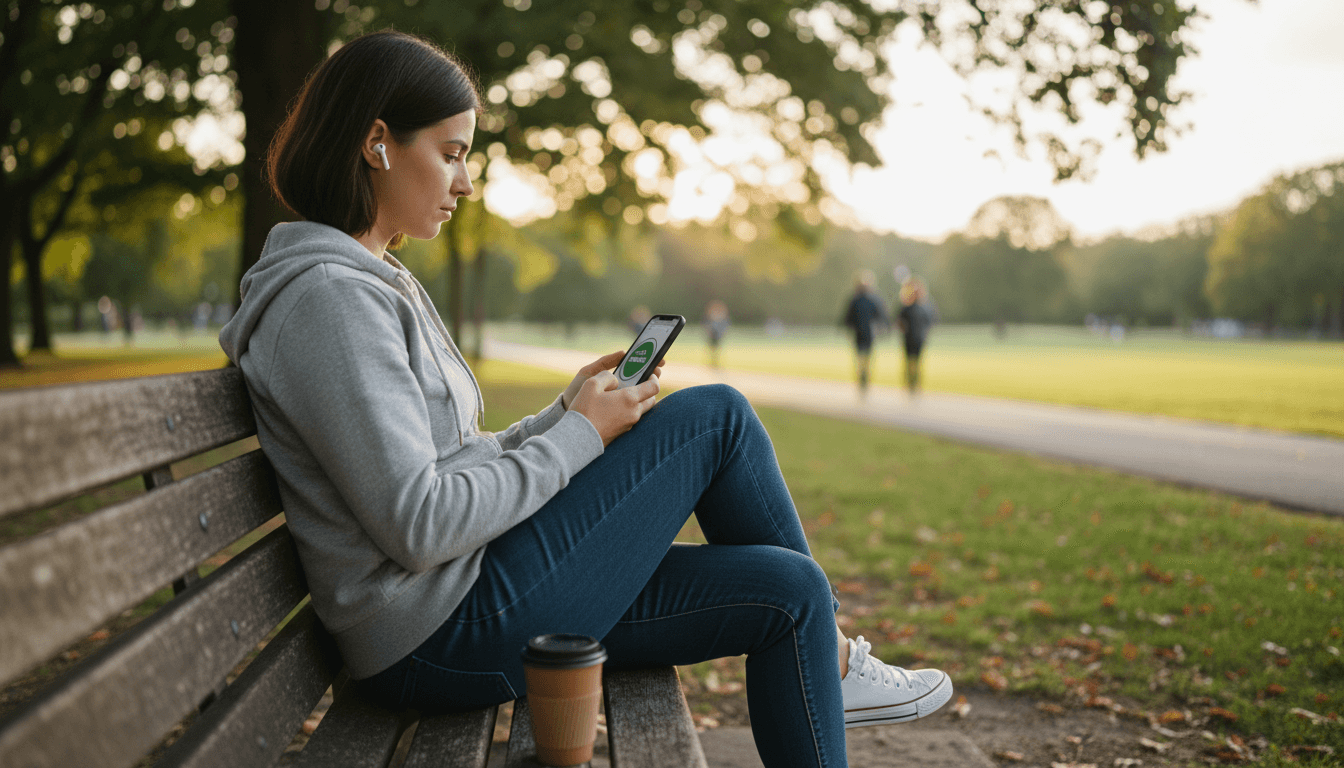
For people managing stress, the most relevant takeaways are practical: a short, regular mindfulness practice that includes biofeedback may reduce emotional distress and help sleep, two major drivers of chronic stress. The tech element gives immediate signals you can use to learn what helps you relax, but it does not replace medical care. The study is promising, especially for older adults who may have limited options, yet it is still early evidence rather than a final answer.
How this Could Change Stress Management Habits
This study nudges the idea that digital tools can be useful allies in daily stress control. If a program that mixes guided mindfulness with simple brainwave feedback can lower anxiety and improve sleep, people under chronic stress might benefit from short, consistent sessions rather than occasional long meditations. Practically, that means fitting 10–20 minutes of focused practice into your day could be both manageable and effective.
However, this result doesn’t replace proven best practices such as regular physical activity, good sleep hygiene, social support, and medical treatment when needed. The study’s control group received general health education rather than an active placebo, so we should be cautious about how much of the benefit comes from the mindfulness technique, the novelty of the device, or increased attention from the study team. Still, adding a validated digital mindfulness tool to your routine is a low-risk option to try alongside established strategies.
Readers should pay attention to a few practical details before trying similar tools: check whether a program has peer-reviewed research, look for clear safety and privacy policies for any EEG or data-collecting device, and set realistic expectations — improvements in mood and sleep may appear over weeks, not overnight. If you have moderate to severe depression, or if your stress leads to safety concerns, contact a healthcare professional rather than relying on an app alone.
Ways to Try Mindful Tech Without Overcomplicating Your Life
Small, regular steps make tech-supported mindfulness practical and effective.
- Start with short sessions — Aim for 10 to 15 minutes a day so practice becomes a habit without feeling like a chore; short daily practice often beats occasional long sessions for lasting stress reduction.
- Use biofeedback as a guide, not a rule — Let EEG or heart-rate feedback help you notice patterns (what calms you vs what doesn’t) instead of treating the numbers as the only measure of success.
- Prioritize sleep-friendly timing — Practice mindfulness at times that support sleep, such as an evening wind-down, because better sleep amplifies stress resilience and mood.
- Combine with movement — Pair mindfulness with light activity like a short walk or gentle stretching; physical movement and mindfulness often lower stress more together than either alone.
- Check privacy and clinical backing — Choose apps or devices that explain how they protect your data and show at least some peer-reviewed evidence of benefit.
- Keep your clinician in the loop — If you take medications or have a diagnosis like major depression, tell your doctor about new tools so they can help you use them safely and monitor progress.
Disclaimer: This article is for informational purposes only and is not a substitute for professional medical advice. Always seek your doctor’s advice with any questions about a medical condition.