



Why meditation apps are becoming useful tools for stress
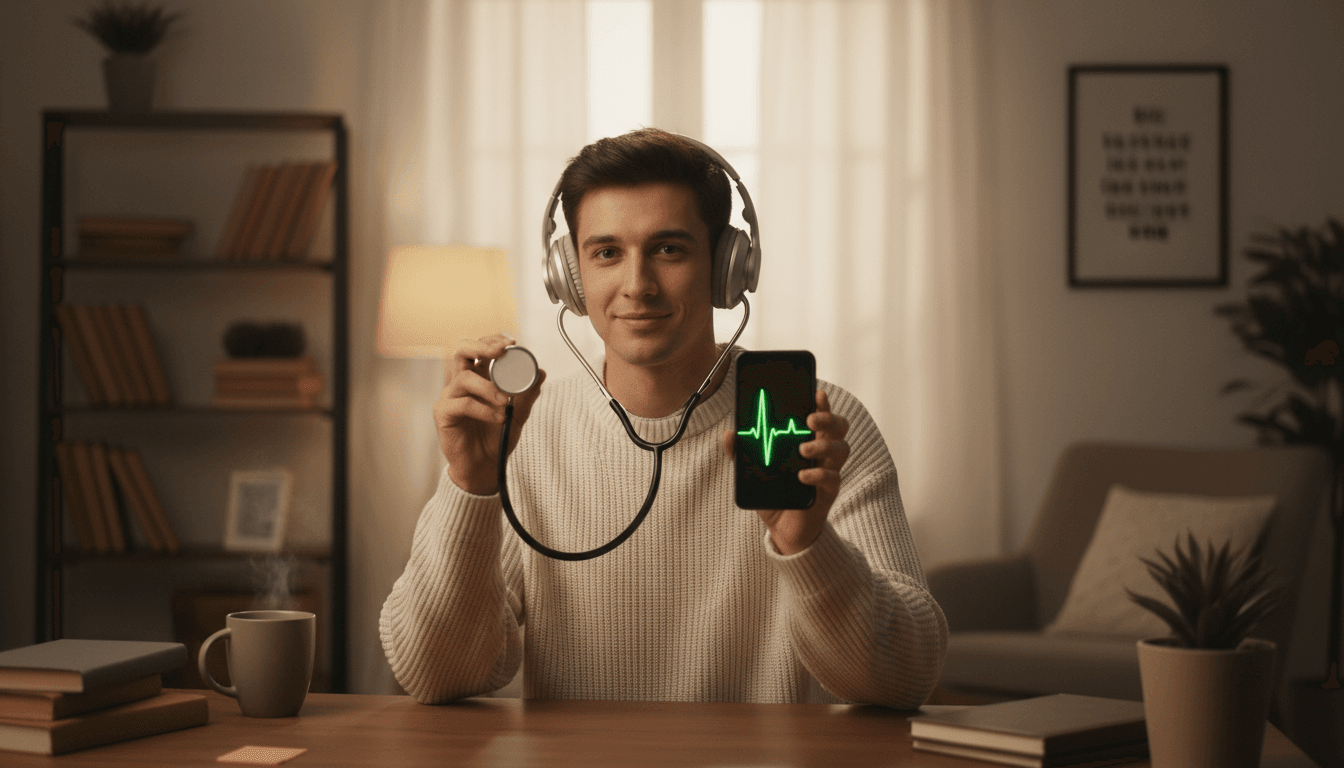
A recent article from a business news outlet explains how meditation apps have moved beyond simple libraries of guided audio and are now part of a broader digital mental health scene that people use to manage stress, sleep, and everyday moods. The piece highlights that apps now offer features like tailored recommendations, very short practice sessions, sleep tools, and links to other health data — all of which matter when you want quick, practical help for pressure or worry. In plain terms: these apps are turning phones into pocket-sized stress tools instead of just audiobook-like collections.
The article points out that researchers see small but consistent improvements in anxiety and depression from app-based meditation programs, though keeping people using the apps regularly is a common problem. “Just-in-time” interventions — short exercises suggested when you actually need them — were named as an important development; that means the app can detect or predict moments of stress and offer a tiny, timely practice. If that sounds technical, think of it as a gentle nudge: a breathing prompt during a tense meeting or a sleep meditation when your phone notices poor sleep patterns.
It also notes growing overlap between meditation, sleep, fitness, mood tracking, and wearable devices, which can give apps more context for suggestions. At the same time, the article warns that as apps move into mental health territory, users should check whether an app uses evidence-based techniques, protects personal data, and sets realistic expectations about what it can help with. For someone managing stress, those points decide whether an app becomes a useful daily tool or just another distraction.
How these trends change practical stress management
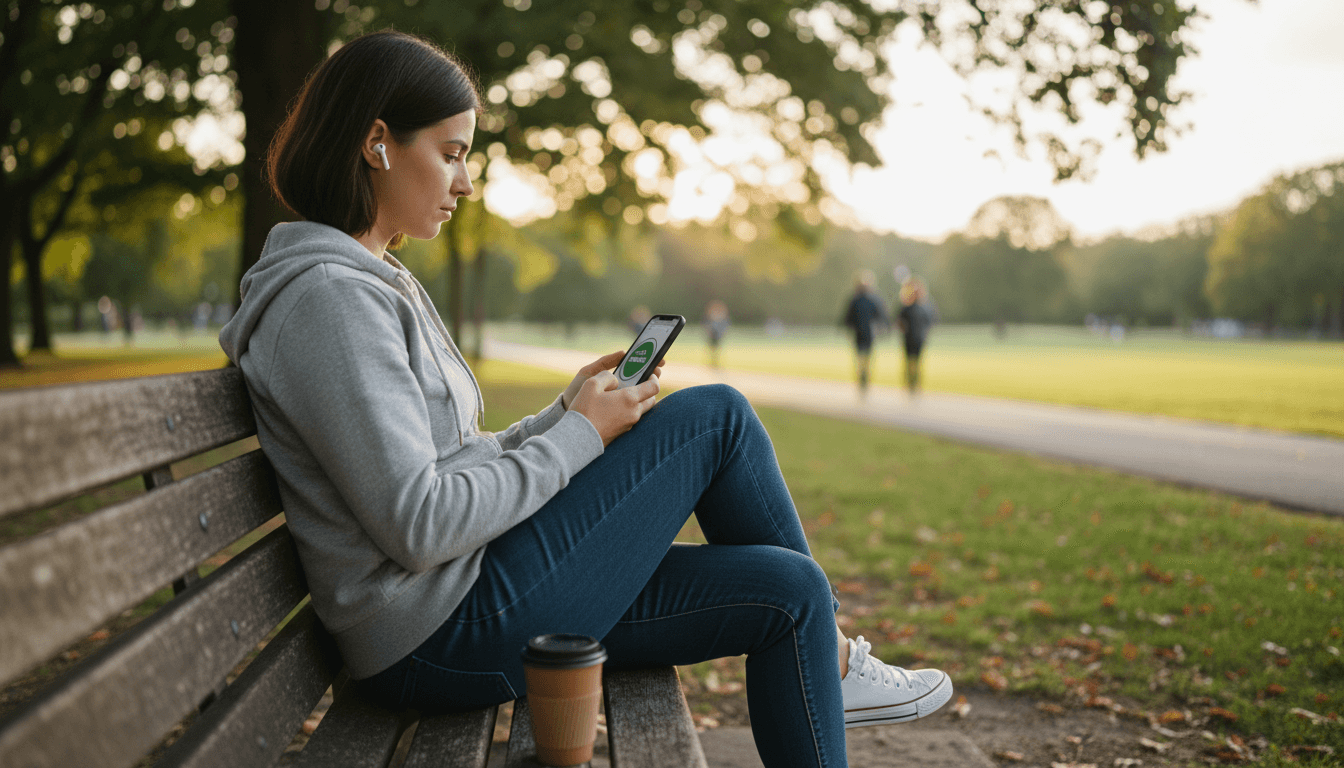
If you want to lower daily stress, the shift toward personalization and short sessions changes the practical playbook. Rather than committing to long daily meditations right away, you can start with targeted, 3–10 minute practices that fit work breaks, commutes, or bedtime. Short and frequent practice builds familiarity and reduces resistance. Use the app’s preference and goal settings so it recommends exercises aimed specifically at stress reduction rather than general relaxation or focus.
Just-in-time features can help you interrupt a stress spike before it grows. That means apps that use activity or sleep data, timers, or mood check-ins to suggest a breathing exercise or grounding technique at the right moment can be more effective than waiting until the end of a long day. But don’t rely only on automation: learn to recognize your own early signs of stress and trigger the app when you feel tension, not only when the phone does.
At the same time, the article’s emphasis on evidence and trust should change how you choose tools. Pick apps that explain the method they teach (for example, breathing, progressive muscle relaxation, or guided imagery), cite research or clinicians, and offer clear privacy controls. If an app overpromises quick cures or wants excessive health data you don’t want to share, skip it. The best approach mixes app-based practices with real-world habits: better sleep, short walks, and simple boundaries at work amplify whatever time you spend in the app.
Quick app-based steps to lower stress today
Small, reliable actions are the fastest way to turn an app from a novelty into a stress aid.
- Start with 3–5 minute sessions — Short practices lower the resistance to beginning; repeated tiny sessions add up and build confidence without taking time from your day.
- Use personalization settings — Tell the app your main goal is stress reduction and select preferred session length so it recommends exercises that actually match your needs.
- Enable just-in-time prompts selectively — Turn on timely reminders or context-based nudges (like post-meeting breathing exercises), but limit their frequency so they don’t become another source of stress.
- Pair app work with a physical habit — Do a breathing exercise before a walk, a short meditation after lunch, or a sleep story when you turn off lights so the practice hooks into an existing routine.
- Check evidence and privacy settings — Look for apps that describe the technique and list supporting research; review what personal data they collect and choose clear privacy options you are comfortable with.
Disclaimer: This article is for informational purposes only and is not a substitute for professional medical advice. Always seek your doctor’s advice with any questions about a medical condition.