



Heart sounds as a new tool for calming stress
A recent article from Frontiers in Psychology describes a pilot study testing whether listening to your own heartbeat — played back in real time or as a steady metronome set to your calm heart rate — can help people who experienced a traumatic event manage new stress. The study focuses on young adults who survived an earthquake and measures how their bodies and brains respond to short mental stress tests before, during, and after a series of biofeedback sessions. The idea is simple: sound that matches your natural rhythm might nudge your nervous system toward balance.
The researchers used common physiological measures so their results speak to real-world stress management. They recorded ECG (electrical heart signals), PCG (actual heart sounds), skin conductance (how sweaty the skin gets when aroused), breathing rate, and prefrontal brain oxygen levels with fNIRS (a safe light-based brain monitor). Heart rate variability (HRV), a measure of how well your body switches between “go” and “rest” states, is a key outcome — higher HRV usually means better resilience. The intervention groups either heard no sound, a metronome matched to a calm heart rate, or their live heart sounds in a closed loop during ten sessions over about four weeks.
The paper highlights an intriguing, low‑tech approach to biofeedback: using the sound of the heart to prompt self-calming. It also explains limits: this is a small, non-randomized pilot with 36 participants, it lacks a fully matched sham sound to rule out placebo effects, and follow-up was short. Still, the method is non-invasive, easy to scale if proven effective, and designed to influence the vagus nerve and autonomic balance — the systems most involved in stress and recovery.
What this means for anyone trying to lower day‑to‑day stress
If you manage stress for yourself or others, this study suggests a fresh and practical angle: rhythm matters. Many standard stress tools — paced breathing, progressive muscle relaxation, and HRV biofeedback — work because they give the body a predictable rhythm to follow. Playing a heartbeat or a matched metronome taps that same principle and could be especially helpful for people who respond better to sound than to visual cues. It reinforces the idea that simple, repeated practices can change how the body reacts to new stressors.
That said, the research does not yet replace existing therapies. The study’s scale and design mean we should see it as promising early evidence, not a proven treatment. For now, combine heart‑sound techniques with established practices: keep therapy, breathing exercises, sleep hygiene, and professional care as the foundation. For people who struggle with intrusive stress after trauma, adding an auditory biofeedback tool might speed calming in the moment and help rebuild confidence in handling stress.
Pay attention to personalization and safety. The study emphasizes that each person’s “resonant” rhythm is different — one size does not fit all — and that auditory biofeedback should be matched to an individual’s calm heart rate or used in closed-loop setups that update in real time. Also note the study’s practical caveats: small sample, limited follow-up, and no sham control. Those gaps mean results could change as larger, controlled trials appear. Until then, treat this approach as an accessible supplement rather than a standalone cure.
How to try heart‑based biofeedback safely
Below are simple, low‑risk steps you can try at home to explore rhythm‑based stress relief; they borrow the study’s idea without specialized lab equipment.
- Start with paced breathing — Practice 5–6 slow breaths per minute for five minutes. This raises heart rate variability and is the core skill that makes auditory biofeedback effective.
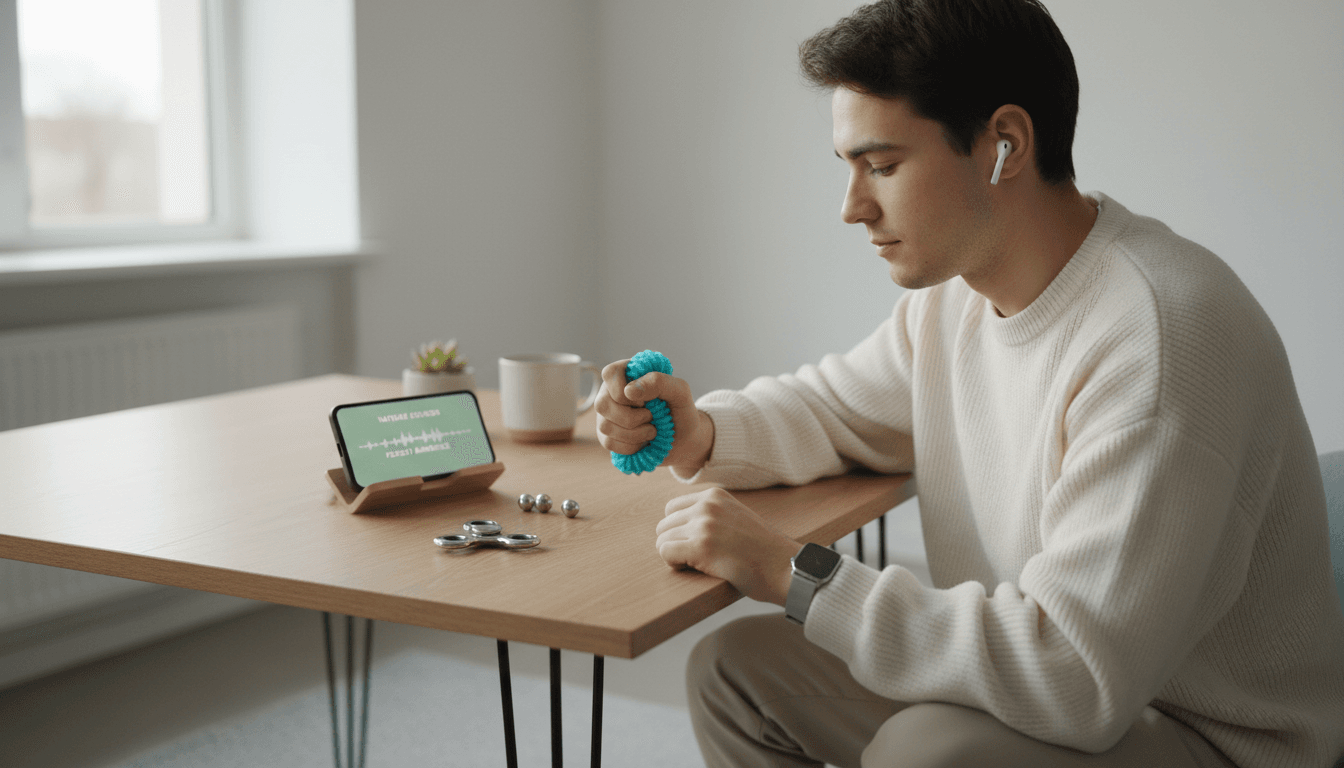
- Use a metronome app — Set a gentle beat to match your relaxed pulse (you can count your pulse for 15 seconds and multiply by four). Listening to a steady beat while breathing helps sync your heart and lungs.
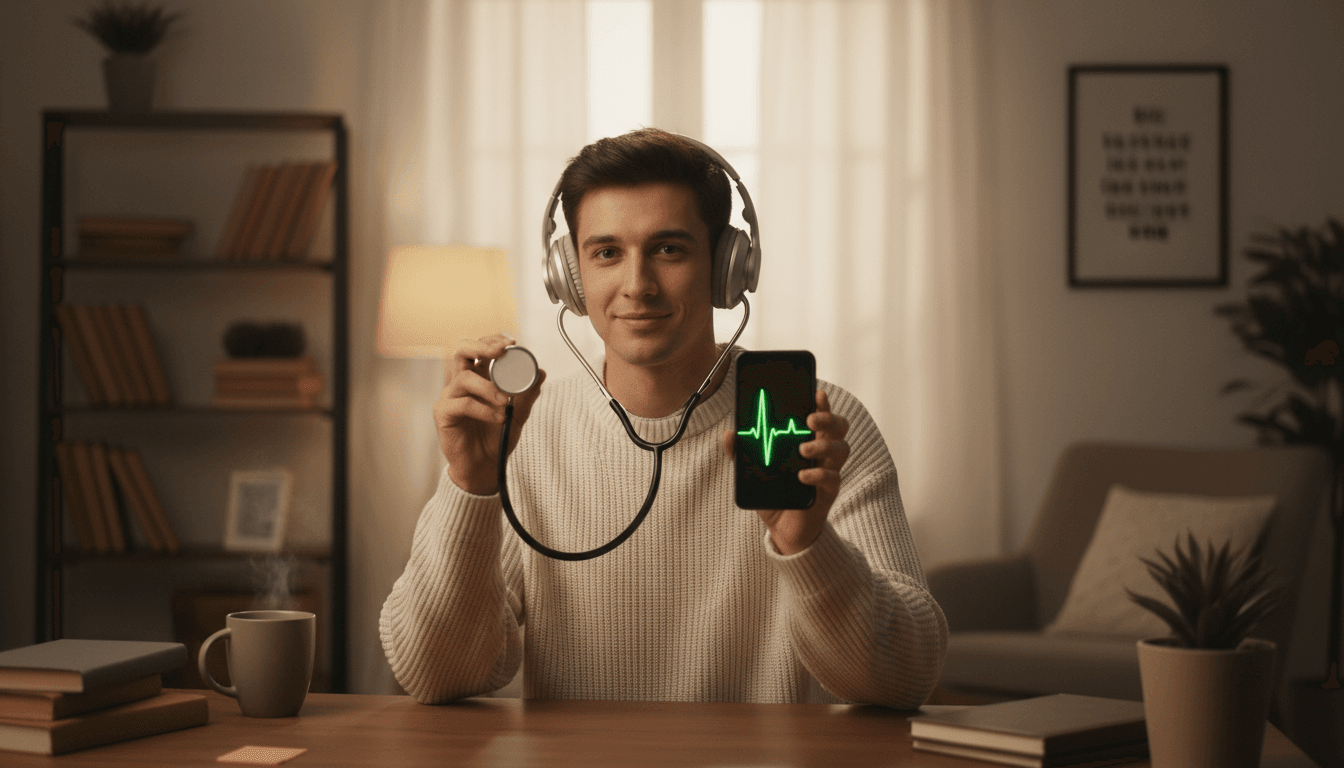
- Try a recorded heartbeat — If you have a simple stethoscope recording or a synthesized heartbeat sound, play it at low volume while you breathe slowly; the familiar rhythm can feel grounding without being intrusive.
- Pair sound with grounding actions — While listening, press your feet into the floor, focus on a single sensory detail, or do a short body scan. Combining sound with physical grounding stabilizes nervous system responses faster.
- Track one simple measure — Note how stressed you feel on a 0–10 scale before and after the practice, or use a heart‑rate sensor if you have one. Small self-measurements show whether the tool helps you personally.
Disclaimer: This article is for informational purposes only and is not a substitute for professional medical advice. Always seek your doctor’s advice with any questions about a medical condition.
SOURCE: https://www.frontiersin.org/articles/10.3389/fpsyg.2026.1818000