




Why your gut matters when stress is on the menu
A recent article from a health outlet looked at how everyday habits — not expensive supplements or extreme diets — shape gut health, and why that matters for stress. It explained that the community of microbes living in your gut, called the microbiome, affects digestion but also touches immune function, sleep, mood, and overall resilience to chronic conditions. In plain terms: gut health and stress are connected through multiple body systems, so taking care of one helps the other.
The piece emphasized simple, sustainable changes over quick fixes. One easy goal is increasing the variety of plant foods you eat each week — things like vegetables, fruits, legumes, whole grains, nuts, seeds, herbs and spices. Researchers find that people who eat roughly 30 different plant foods a week tend to have a more diverse microbiome than those who eat far fewer. Diversity here means more types of helpful microbes, which can support better digestion and maybe smoother stress responses.
The article also included personal stories from people living with reflux and irritable bowel conditions. Those stories show how digestive disorders can increase daily stress: rigid routines, social avoidance, sleep interruptions, and constant worry about symptoms. The takeaway for stress management is clear: small, realistic habits that protect gut health (and planning for flares) can reduce daily anxiety and make life easier to manage.
What this means for managing stress every day
First, think of gut-friendly habits as part of a stress toolkit, not an add-on. Improving the microbiome through varied plant foods, regular movement, good sleep, and steady routines supports the body systems that react to stress. For example, poor sleep and high stress raise cortisol and other inflammatory signals; a healthier gut can moderate some of those responses by influencing immune and hormonal communication. So dietary and lifestyle tweaks are practical stress-management steps, not just nutrition advice.
Second, avoid treating diet changes like a sprint. The article stresses that restriction often backfires: cutting out foods can increase anxiety, reduce social life, and make stress worse over time. For people who already live with digestive disorders, over-restriction can create unnecessary scarcity and isolation. A better approach is experimenting slowly, tracking how small changes affect symptoms, and keeping flexibility so food doesn’t become another source of constant worry.
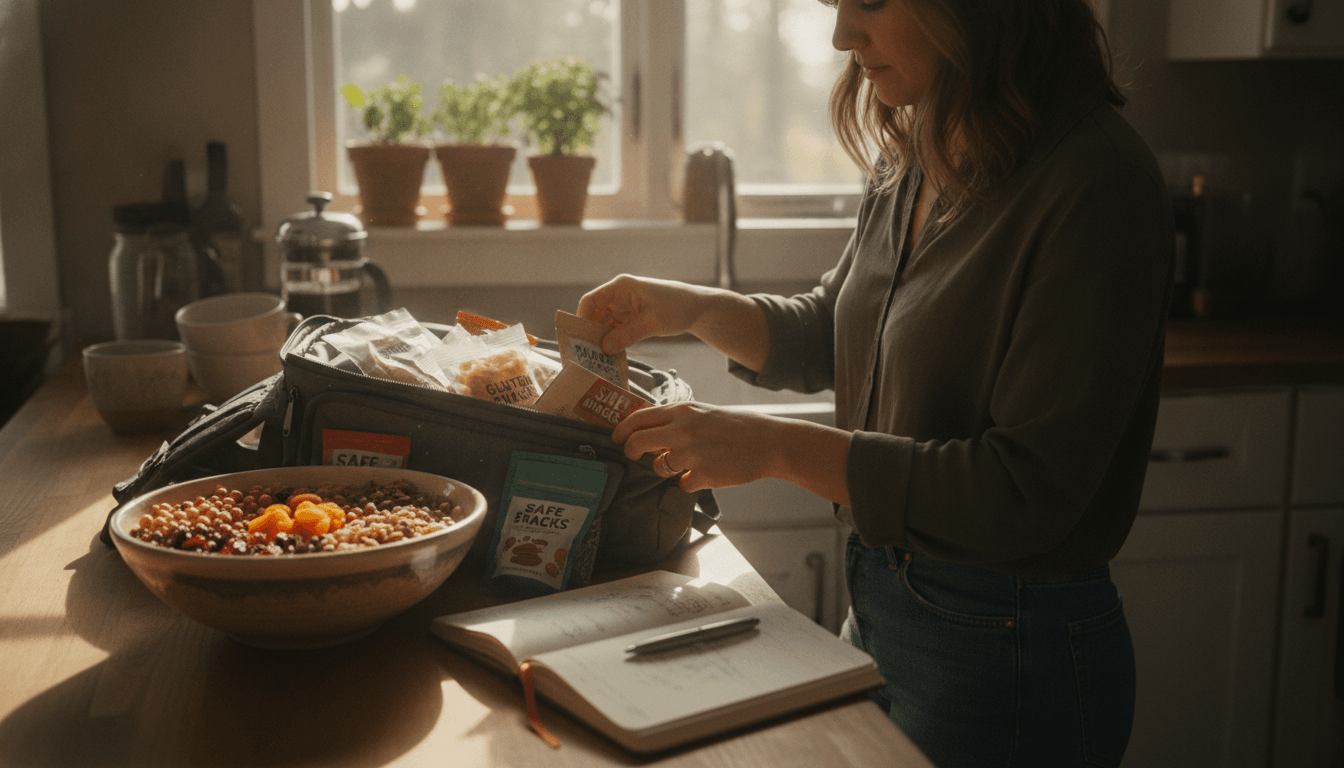
Third, planning reduces panic. People with reflux or IBS described needing routines and backup plans to feel safe. That matters for anyone managing stress: predictability lowers baseline anxiety. Practical steps include time-buffering your morning routine, carrying safe snacks or medications, and building short daily resets to move the nervous system out of fight-or-flight. When you pair planning with gentle lifestyle fixes — more plant variety, sleep priority, and light movement — you lower the chance that a flare or a bad night will spike your stress out of proportion.
Small, practical moves that help gut health and calm the mind
These are realistic actions you can start this week to protect digestion and reduce stress without overhauling your life.
- Add one extra plant food each day — Small increments beat big restrictions: toss seeds on your yogurt, add a handful of spinach to a smoothie, or swap in lentils for part of a meat portion. Variety feeds more types of helpful gut microbes and keeps meals interesting rather than stressful.
- Protect sleep as a non-negotiable — Aim for consistent bed and wake times and wind down with a screen-free buffer. Better sleep lowers stress hormones and gives your gut a calmer environment to repair and communicate with your brain.
- Build a 5–15 minute daily stress reset — A short breathing exercise, a slow walk, or stretching breaks the cycle of worry. These resets reduce sympathetic nervous system activity, which can help prevent stress-triggered digestive symptoms.
- Plan outings with practical backups — Carry a safe snack, medication, or a list of gentle menu choices. Knowing you have contingencies cuts anticipatory anxiety and makes social life less fraught.
- Choose diversity over elimination — Before removing whole food groups, try tracking symptoms and rotating foods to spot true triggers. Over-elimination often increases stress and nutritional gaps; measured testing preserves options and peace of mind.
- Find one reliable clinician and a supportive group — Work with a gastroenterologist or dietitian you trust, and connect with others who have similar symptoms through reputable forums. Expert guidance reduces guessing and the stress that comes from frantic self-experimentation.
Disclaimer: This article is for informational purposes only and is not a substitute for professional medical advice. Always seek your doctor’s advice with any questions about a medical condition.