
Quick, Practical Ways Women Can Cut Daily Stress
A recent article from a health outlet lays out straightforward steps women can use to manage everyday stress. It highlights physical activity like exercise (yoga, dancing, walking), simple breathing and meditation techniques, and smart choices about time and responsibilities. The piece also recommends small lifestyle shifts — better sleep routines, balanced meals, and cutting back on caffeine and alcohol — that make emotional ups and downs easier to handle.
The article explains a few mental habits that help: set realistic goals, delegate tasks, and learn to say “no” so you don’t pile on extra pressure. It suggests carving out time for hobbies, talking with trusted people for support, and lowering screen time to avoid constant information overload. These are plain-language strategies that don’t require special equipment or expensive therapy, just small changes you can try right away.
It also points out two mindset moves that matter: focus on what you can control, and notice daily positives by writing down three good things or things you’re grateful for each night. That short gratitude practice helps shift attention away from stress and toward what’s working, while accepting limits helps prevent chronic overcommitment.
What This Means for Your Day-to-Day Stress Plan
These tips reinforce what stress experts already recommend but package it into easy steps anyone can use. For someone managing stress, the big takeaway is that small, consistent habits add up: 20–30 minutes of movement most days and a daily breathing or meditation pause will lower tension and clear your thinking. You don’t need to overhaul your life; you need predictable pockets of time devoted to recovery and realistic expectations about what one person can handle.
Practically, the guidance nudges you to tighten two weak spots many people have: boundaries and stimulation control. Saying no and delegating are not selfish moves — they’re boundary skills that reduce the workload and emotional drain. Cutting screen time and information overload reduces the constant alert state that keeps your nervous system keyed up; treating that like an adjustable setting, not an all-or-nothing demand, changes how you respond to stress across the day.
Finally, the advice to concentrate on controllable factors and use a nightly gratitude note supports a stable mental baseline. That doesn’t remove all stress — some situations are fixed — but it helps you recover faster after a hard moment. Pay attention to what consistently raises your stress (time pressures, too much caffeine, poor sleep), and use the simple tools suggested to chip away at those triggers over weeks, not hours.
Simple Actions You Can Try Today
Pick one or two of these and practice them for a week — small wins compound into bigger relief.
- Move for 20–30 minutes — Choose something you enjoy like a brisk walk, a short dance break, or a yoga flow; consistent movement lowers physical tension and improves mood without needing a gym.
- Practice one calming breath technique — Try a 4-6-8 pattern: inhale 4 counts, hold 6, exhale 8; repeat for a few minutes to slow your heart rate and clear your head when stress spikes.
- Set one clear boundary today — Say no to one extra task, delegate one chore, or block off 30 minutes of quiet time; protecting a small slice of your schedule reduces overload.
- Limit caffeine and alcohol around stressful times — Reduce late-afternoon coffee and cut back on drinks that disrupt sleep or raise anxiety; better sleep and steadier nerves follow.
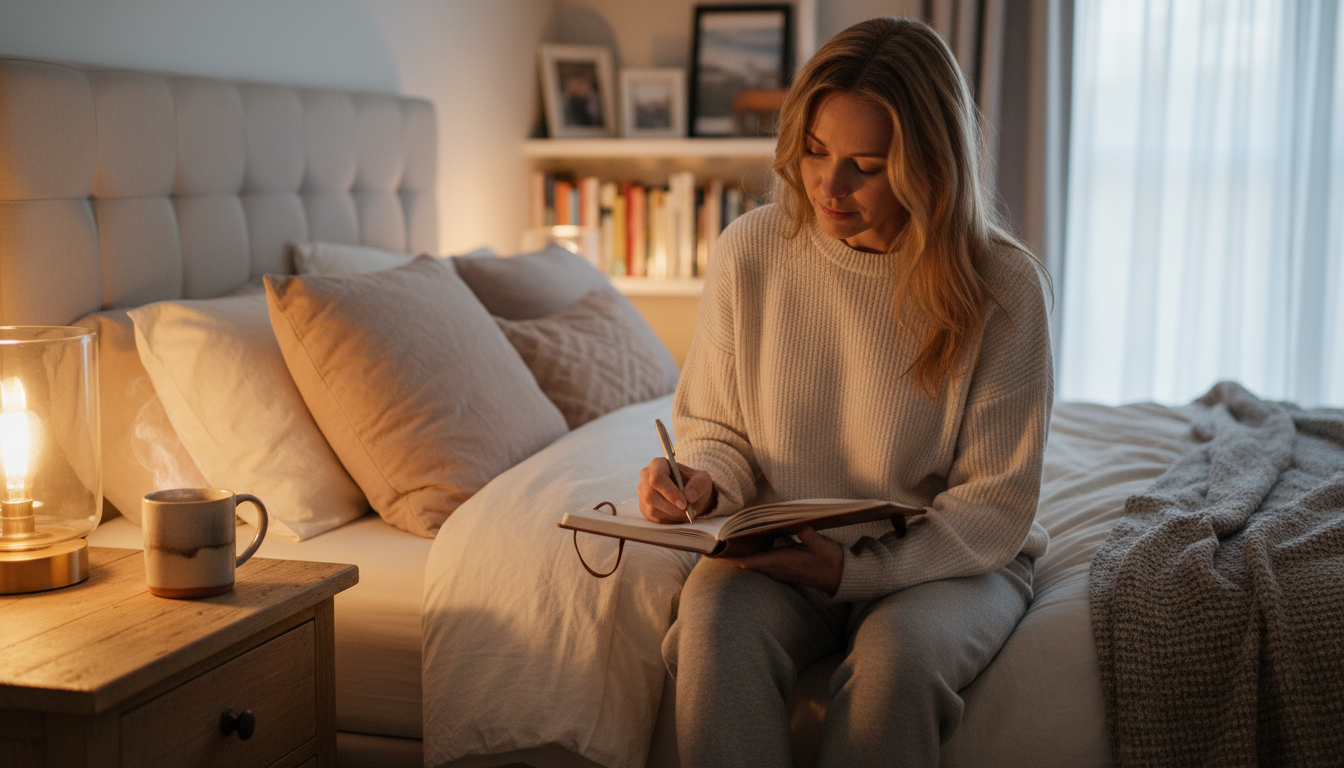
- Do a nightly three-good-things note — Write down three things that went well or that you’re grateful for; this short habit trains your attention toward positives and helps you sleep with less worry.
Disclaimer: This article is for informational purposes only and is not a substitute for professional medical advice. Always seek your doctor’s advice with any questions about a medical condition.
SOURCE: https://www.news18.com/web-stories/lifestyle/simple-stress-management-tips-for-women-3592580/