



Why your calm app might be making you more anxious
A recent article from Frontiers in Psychology introduces the “comfort paradox”: AI tools that soothe anxiety quickly can also teach people to rely on that instant comfort instead of building their own coping skills. In plain language, when an app or voice companion calms you right away, your body learns to expect the shortcut. That eases stress in the short term, but over many repeated uses it can lower your tolerance for discomfort and make you reach for the device more often.
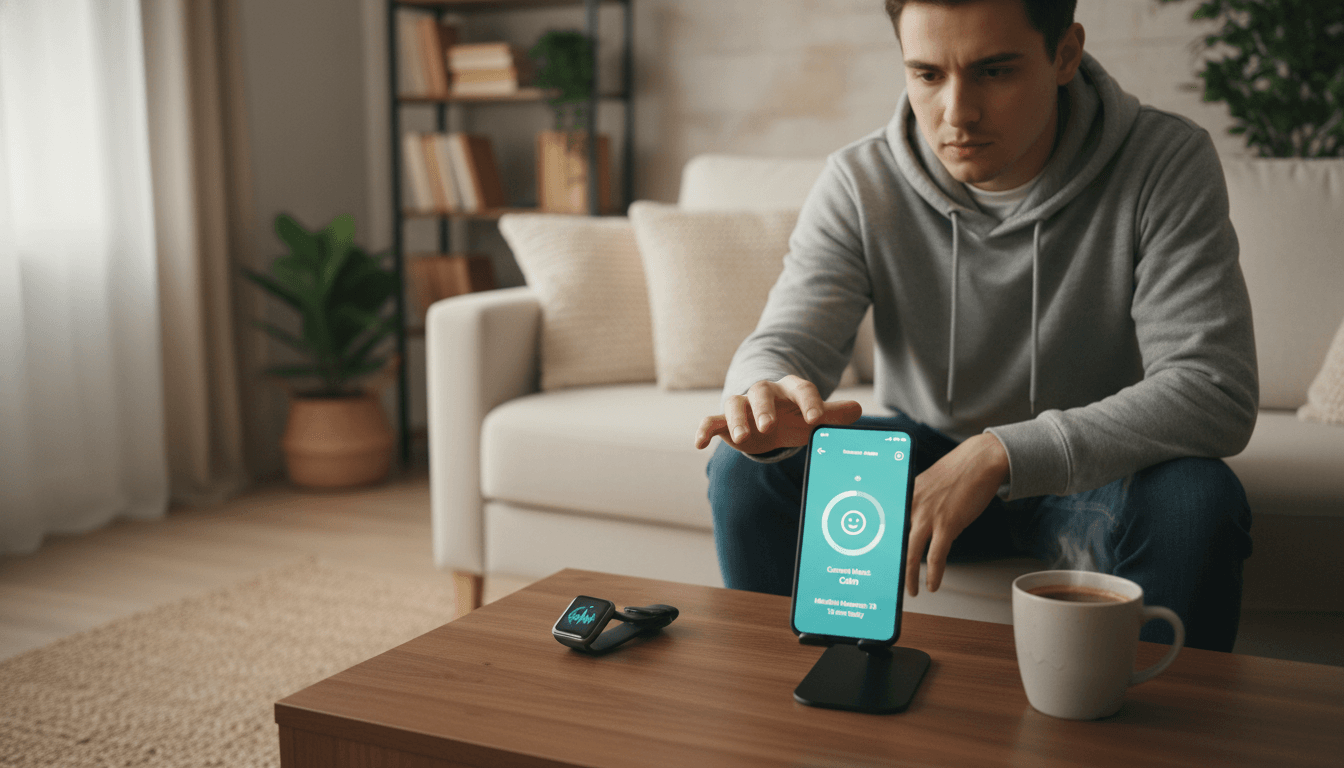
The article explains how this happens using simple behavioral ideas. One key concept is negative reinforcement, which here means relief (from an app) removes an unpleasant feeling, so the behavior of seeking that relief gets stronger. Another idea is avoidance conditioning: if an AI always stops small worries fast, you miss chances to face and process uncertainty, which is how real resilience grows. The piece also names some tech features that speed this cycle: instant responses, mood dashboards that turn feelings into scores, push notifications, and gamified streaks that reward constant calm.
Importantly, the paper is an opinion-based synthesis rather than a controlled trial. It pulls from psychology, neuroscience, and design to map risks and possible fixes. The suggested fixes include being explicit that the helper is software, adding tiny delays or reflection prompts before offering reassurance, tapering support over time, and nudging people toward human contact. The authors also note the effect will vary by age and situation—not everyone will become dependent, but some groups (for example, teens) may be more vulnerable.
What this means for how you manage stress
If you use apps or wearable alerts to calm down, this shifts some best practices. First, treat AI tools as one part of a broader toolbox, not the whole kit. Relying only on immediate soothing can feel efficient, but it can also reduce your confidence at handling stress without a device. A better practice is to balance quick relief with intentional exercises that demand a bit of effort—like short exposure tasks, journaling, or calm-but-alert breathing that you do without the app’s voice guiding you.
For people trying to lower anxiety long-term, pay attention to how your use affects your autonomy. Design features matter: constant notifications and visual “progress” metrics can turn normal emotional swings into perceived failures. If an app makes you chase streaks or look at your mood graph dozens of times a day, it may be reinforcing checking behavior instead of helping you tolerate unease. Prefer tools that prompt reflection, offer timed delays before reassurance, or include plans to reduce prompts as you improve.
Clinicians, parents, and designers should also watch for warning signs: a person who feels unable to leave the house without an AI check-in, or who experiences higher baseline anxiety despite frequent calming sessions, needs a different approach. The article suggests simple design shifts that help: clear labeling of AI responses, small pauses that ask the user “what might this feeling be linked to?”, and features that encourage real-world support contacts. These moves protect skill-building and prevent comfort from becoming a crutch.
Friendly rules for using emotional AI without losing your edge
Use these practical moves to get value from emotional AI while keeping your coping muscles strong.
- Set strict time windows — Limit app checks to a few scheduled times each day so you don’t rely on instant reassurance; scheduled use encourages you to practice calming on your own between sessions.
- Choose apps with reflective prompts — Prefer tools that ask a short question before soothing (for example, “What is bothering you right now?”) because that pause builds awareness instead of automatic relief.
- Practice short exposure tasks offline — When you notice a mild worry, try a 5–10 minute challenge without the app (step outside, make a short call, or sit with the feeling); tolerating small discomforts strengthens resilience.
- Turn off push reassurance — Disable unsolicited alerts that offer comfort the moment your wearable detects stress; this prevents automatic checking and preserves natural ups and downs.
- Schedule human contact — Pair digital tools with real conversations: a weekly check-in with a trusted person or therapist gives you relational support that teaches deeper coping.
- Use graduated reduction — If an app helps a lot, slowly increase the time between sessions or switch from guided to silent practice over weeks so your skills transfer from the device to you.
Disclaimer: This article is for informational purposes only and is not a substitute for professional medical advice. Always seek your doctor’s advice with any questions about a medical condition.
SOURCE: https://www.frontiersin.org/journals/psychology/articles/10.3389/fpsyg.2026.1723183/full