



New Reporting on Rising Everyday Stress
A recent article from a major news outlet reported that many people are feeling more stress in daily life, driven by factors like work pressure, constant connectivity, and ongoing uncertainty. The piece described patterns seen across age groups and professions rather than a single dramatic event, noting that small, repeated pressures add up and can affect mood, sleep, and energy. For readers focused on stress management, the key point is that stress often comes from a mix of things that pile up over time, not just one big crisis.
The article also covered some of the biological details linked to chronic stress. It mentioned cortisol and the “fight-or-flight” response — terms you might have heard before. Cortisol is a hormone the body releases when it senses threat; that helps in short bursts but causes problems when levels stay high for weeks or months. The “fight-or-flight” response refers to the nervous system kicking into high alert, which raises heart rate and tenses muscles. Explained simply: these are normal systems that become harmful when they stay switched on.
Finally, the report flagged common consequences that matter for stress management: disrupted sleep, poorer focus, and more frequent headaches or stomach problems. It also pointed out that not everyone responds the same way — personal habits, social support, and small lifestyle choices change how stress affects someone. That means solutions can be practical and personal, not only medical or extreme fixes.
How This Changes What You Do About Stress
For someone managing stress, the main takeaway is to treat small, daily pressures as real and worth attention. If you wait until burnout or a breakdown to act, reversing the damage takes longer. Start by noticing patterns: what times of day leave you drained, which tasks trigger tension, and whether sleep slips on busy nights. That kind of tracking helps you target the easiest, highest-impact tweaks.
The reporting doesn’t upend basic best practices, but it nudges their priority. Sleep, regular movement, and short recovery breaks still matter most because they directly lower cortisol and restore focus. However, the article also emphasizes reducing constant low-level activation from devices and scheduling — for example, setting predictable work hours and limiting notifications — which many stress guides mention but fewer people enforce. In short: keep standard habits, but give extra attention to daily structure and tech boundaries.
You should also pay attention to warnings that daily stress can become chronic without obvious signs. If sleep keeps slipping, if small tasks feel overwhelming, or if you feel persistently on edge, take action sooner rather than later. Practical steps can be simple: a 10-minute evening wind-down, a short walk midday, or a single boundary at work. If symptoms persist or worsen, seek support from a healthcare provider or a mental health professional who can offer targeted strategies.
Six Practical Shifts to Reduce Everyday Stress
Try these concrete adjustments you can start this week.
- Limit notification noise — Turn off non-essential alerts and set specific times to check email and messages so your brain gets uninterrupted focus and rest periods.
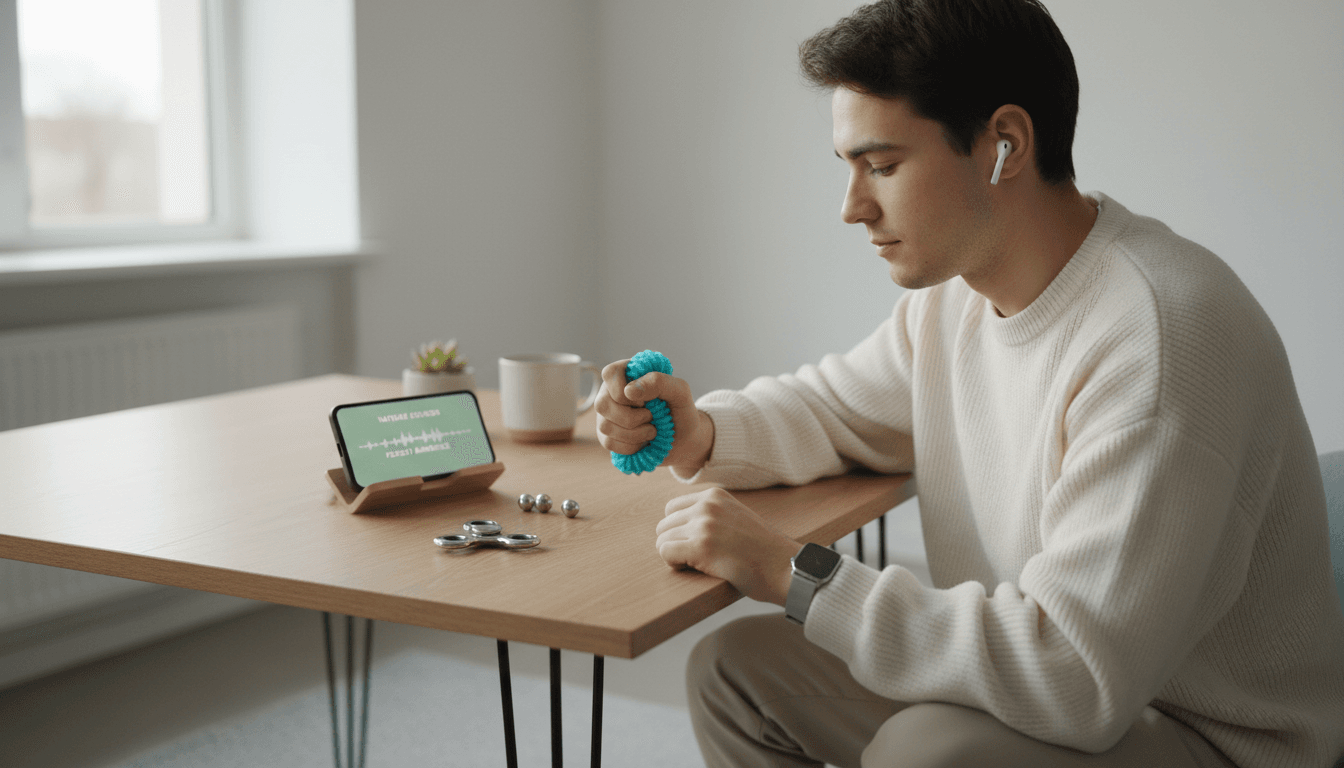
- Block short recovery breaks — Schedule two 10-minute breaks in your day for movement, breathing, or stretching to reset your nervous system and lower tension.
- Protect your sleep window — Keep a regular bedtime, dim screens an hour before sleep, and treat those hours like important meetings you can’t skip.
- Choose one boundary at work — Say no to one extra meeting this week or set an email-cutoff time; small limits multiply into big stress relief.
- Swap one habit for a calmer one — Replace a late-night scrolling session with reading or a brief walk; tiny swaps reduce evening arousal and improve sleep.
- Use a one-minute grounding trick — Focus on steady breaths, name five things you can see, and feel your feet on the floor to interrupt rising stress quickly.
Disclaimer: This article is for informational purposes only and is not a substitute for professional medical advice. Always seek your doctor’s advice with any questions about a medical condition.